Hey there! As a supplier of Aluminized Steel Burners, I often get asked about the heat – down time of these burners. So, I thought I’d take a moment to break it down for you all. Aluminized Steel Burner
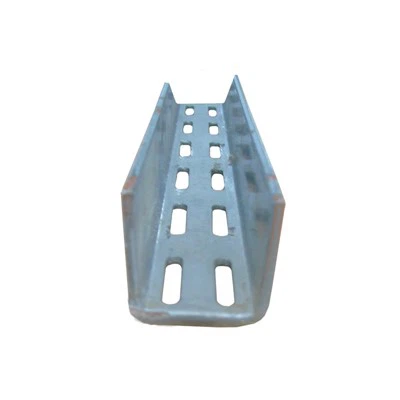
First off, let’s talk about what an Aluminized Steel Burner is. It’s a type of burner made from aluminized steel, which is steel that has been coated with an aluminum – silicon alloy. This coating gives the steel some great properties, like good corrosion resistance and high – temperature performance. These burners are used in a variety of applications, from industrial heating systems to home appliances like gas stoves.
Now, the heat – down time of an Aluminized Steel Burner is an important factor. It refers to the time it takes for the burner to cool down after it has been turned off. Why is this important? Well, for one thing, it affects safety. If a burner takes too long to cool down, there’s a risk of someone accidentally touching it and getting burned. Also, in some industrial processes, a long heat – down time can slow down the overall production cycle.
There are several factors that can influence the heat – down time of an Aluminized Steel Burner.
1. Burner Design
The design of the burner plays a huge role. Burners with a larger surface area will generally cool down faster because they have more area through which heat can dissipate. For example, a burner with fins or a more complex shape will have a greater surface area compared to a simple, flat burner. The way the burner is constructed also matters. If it has good internal airflow channels, heat can be carried away more efficiently, reducing the heat – down time.
2. Burner Size
The size of the burner is another key factor. Larger burners usually take longer to cool down. This is because they have more mass and more stored heat. A big industrial burner, for instance, might have a much longer heat – down time than a small burner used in a home kitchen.
3. Operating Temperature
The higher the operating temperature of the burner, the longer it will take to cool down. When a burner is operating at a very high temperature, it stores a large amount of heat energy. Once it’s turned off, this energy has to be released, and it takes time. For example, a burner used in a high – temperature industrial furnace will have a much longer heat – down time compared to a burner that operates at a relatively low temperature, like a burner in a water heater.
4. Surrounding Environment
The environment around the burner also affects the heat – down time. If the burner is in a well – ventilated area, heat can be carried away more quickly. On the other hand, if it’s in a confined space with poor air circulation, the heat will be trapped, and the burner will take longer to cool down. For example, a burner in an enclosed industrial cabinet will cool down more slowly than one in an open workshop.
Let’s talk about some real – world scenarios. In a home kitchen, an Aluminized Steel Burner on a gas stove usually has a relatively short heat – down time. This is because it’s a small burner, operates at a moderate temperature, and is in an open environment with good air circulation. After you turn off the burner, it might take only a few minutes to cool down to a safe temperature.
In an industrial setting, things are a bit different. Let’s say you have an Aluminized Steel Burner in a large – scale food processing plant. This burner is likely to be much larger, operate at a higher temperature, and might be in a less – ventilated area. As a result, it could take 30 minutes or even an hour to cool down completely.
So, how can we manage the heat – down time?
If you’re looking to reduce the heat – down time of an Aluminized Steel Burner, there are a few things you can do. First, you can improve the ventilation around the burner. This can be as simple as adding a fan or making sure there are enough air vents in the area. Second, you can choose a burner with a design that promotes better heat dissipation. As I mentioned earlier, burners with fins or good internal airflow channels are a great choice.
As a supplier, I’ve seen firsthand the importance of understanding the heat – down time of Aluminized Steel Burners. It’s not just about safety; it’s also about efficiency. If you can reduce the heat – down time, you can speed up your production processes and save time and money in the long run.
If you’re in the market for Aluminized Steel Burners and want to learn more about how to manage the heat – down time for your specific application, I’d love to chat. Whether you’re running a small business or a large industrial operation, we can work together to find the right burner for you.
Ratchet Tie Down So, if you’re interested in purchasing Aluminized Steel Burners or have any questions about heat – down times, don’t hesitate to reach out. We can have a detailed discussion about your needs and figure out the best solution. I’m here to help you make the most of your burner investment.
References
- "Materials Science and Engineering: An Introduction" by William D. Callister Jr. and David G. Rethwisch
- "Thermal Engineering" textbooks from various publishers for general heat transfer principles
- Industry reports on burner performance and efficiency
Shengkun Precision Roll Forming Profiles (Shanghai) Co., Ltd.
As one of the most professional aluminized steel burner manufacturers and suppliers in China, we’re featured by quality products and low price. Please rest assured to buy high-grade aluminized steel burner made in China here from our factory. Contact us for pricelist and quotation.
Address: No.3 Workshop Building Lane2665 Yexin Highway Yexie Town Songjiang District Shanghai China
E-mail: sk@shengkun-rollforming.com
WebSite: https://www.sk-rollforming.com/
