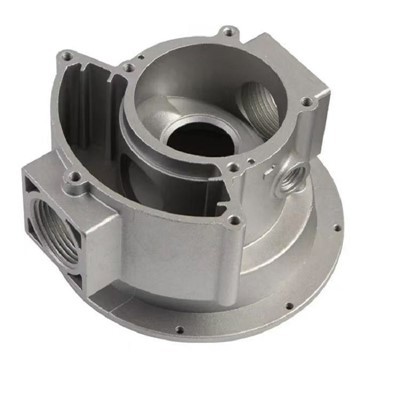
Hey there! I’m a supplier in the castings business, and I’ve always been fascinated by the history of castings. It’s like a journey through time, showing how humans have been shaping metal for thousands of years. So, let’s dive right in and explore this amazing history. Castings
The Early Beginnings
The story of castings starts way back in ancient times. Around 4000 BC, in Mesopotamia, which is modern – day Iraq, people first started casting metals. They were mainly working with copper. Back then, it was a big deal because copper was one of the first metals humans learned to work with. The process was pretty basic. They’d heat the copper ore in a fire until it melted, and then pour it into simple molds made of clay. These early castings were mostly small objects like beads, pins, and simple tools.
Over in Egypt, around the same time, they were also getting into casting. The Egyptians used casting to make religious artifacts and jewelry. They were really good at it, too. Their castings were detailed and had a high level of craftsmanship. They used gold, silver, and copper, and their techniques were more advanced than those in Mesopotamia. They had better control over the melting process and could create more complex shapes.
The Bronze Age
The Bronze Age, which started around 3300 BC, was a game – changer for castings. Bronze is an alloy made by mixing copper with tin. This new material was much stronger and more durable than pure copper. People in different parts of the world, like Europe, Asia, and Africa, started using bronze for all sorts of things.
In China, the Shang Dynasty (1600 – 1046 BC) was known for its amazing bronze castings. They made large and elaborate vessels for religious ceremonies. These vessels had intricate designs and were often decorated with mythical creatures. The Chinese used a technique called piece – mold casting. They’d make a clay model of the object, then create a mold around it in pieces. After that, they’d assemble the mold and pour in the molten bronze. It was a very labor – intensive process, but the results were truly spectacular.
In Europe, the Celts were also masters of bronze casting. They made weapons, jewelry, and decorative items. Their castings had a unique style, with lots of swirling patterns and animal motifs. They used a lost – wax casting method. First, they’d make a wax model of the object. Then, they’d coat it with clay to create a mold. After heating the mold, the wax would melt and run out, leaving a cavity for the bronze to be poured in.
The Iron Age
The Iron Age began around 1200 BC. Iron was even stronger than bronze, and it was more abundant. However, iron was harder to work with because it had a higher melting point. But people figured it out.
In ancient Greece, they used iron casting to make weapons and tools. The Greeks were also interested in art, and they used casting to create statues. They had some pretty advanced techniques for the time. They’d use a combination of sand casting and investment casting. Sand casting involved making a mold out of sand, while investment casting was similar to the lost – wax method used by the Celts.
The Romans took iron casting to a whole new level. They built large – scale foundries to produce all sorts of things, from building materials like pipes and columns to military equipment. They were also the first to use water – powered bellows to heat the furnaces, which made the casting process more efficient.
The Middle Ages
During the Middle Ages, casting technology continued to develop. In Europe, blacksmiths and foundry workers were important members of society. They made everything from horseshoes to armor.
One of the most significant developments during this time was the invention of the blast furnace. This furnace could produce large amounts of iron at a lower cost. The blast furnace used a continuous flow of air to heat the iron ore, which made the smelting process much more efficient.
In Asia, countries like Japan and Korea also had their own casting traditions. In Japan, they were known for their samurai swords. The process of making these swords involved casting and forging. They’d cast the iron into a rough shape and then forge it to give it the right shape and strength.
The Industrial Revolution
The Industrial Revolution, which started in the 18th century, was a huge turning point for castings. With the invention of steam power and new manufacturing techniques, castings became mass – produced.
In England, the first steam engines were made using cast iron parts. These engines were used in factories, mines, and transportation. The demand for castings skyrocketed, and foundries became large – scale industrial operations.
New casting methods were developed during this time. One of the most important was die casting. Die casting involves forcing molten metal into a mold under high pressure. This method allows for the production of complex shapes with high precision. It’s still widely used today in the automotive, aerospace, and electronics industries.
Modern Times
In modern times, castings have become even more important. With the development of new materials like aluminum, magnesium, and titanium, the range of applications for castings has expanded.
In the automotive industry, castings are used for engine blocks, transmission cases, and wheels. These parts need to be strong, lightweight, and precise. Aluminum castings are popular because they’re lightweight and have good heat – dissipation properties.
In the aerospace industry, titanium castings are used for critical components like turbine blades and structural parts. Titanium is strong, lightweight, and resistant to corrosion, making it ideal for aerospace applications.
3D printing has also had an impact on the casting industry. It allows for the creation of complex molds and patterns quickly and at a lower cost. This technology has made it possible to produce small – batch castings more efficiently.
Why Choose Our Castings
As a castings supplier, we’ve got a lot to offer. We’ve been in the business for a long time, and we’ve got the experience and expertise to produce high – quality castings.
We use the latest technology and equipment to ensure that our castings meet the highest standards. Whether you need a simple part or a complex component, we can make it. We work with a variety of materials, including iron, steel, aluminum, and bronze, so we can meet your specific requirements.
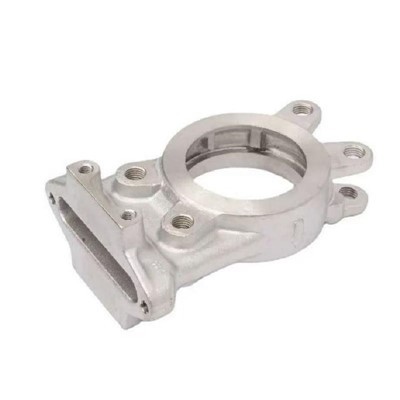
Our team of experts is always ready to help you with your casting needs. We can offer advice on material selection, design, and production processes. We’re committed to providing excellent customer service and delivering your castings on time.
Fan Impeller If you’re in the market for castings, don’t hesitate to get in touch with us. We’d love to discuss your project and see how we can help you. Whether you’re a small business or a large corporation, we’ve got the solutions for you.
References
- "A History of Metal Casting" by John T. Wood
- "The Art and Science of Casting" by Robert W. Heine
- "Industrial Revolution: Castings and Manufacturing" by David S. Landes
Shandong Shunye Stainless Steel Co., Ltd.
Shandong Shunye Stainless Steel Co., Ltd. is one of the most professional castings manufacturers and suppliers in China, also supports customized service. Welcome to buy bulk cheap castings made in China here and get quotation from our factory. For price consultation, contact us.
Address: Shandong Province, Binzhou City, Wudi County, Liubao Town, Zhangdong Road, Duliucun Village
E-mail: sales@wdshunye.com
WebSite: https://www.shunyecasting.com/
