If you’ve ever spent time around marine engineering teams, you’ve probably heard graphite rods referenced in conversations about corrosion resistance, high-performance materials, and long-term equipment durability. As a graphite rod supplier who’s worked closely with shipbuilders, offshore rig operators, and marine equipment manufacturers for over a decade, I’ve seen firsthand how often these materials are overlooked—until a project’s performance depends on them. Too many marine professionals default to traditional metals like steel or brass, only to run into costly failures caused by saltwater corrosion, extreme pressure, or fluctuating temperatures. That’s where graphite rods step in, offering a unique set of properties that solve some of the marine industry’s most persistent challenges. Graphite Rod
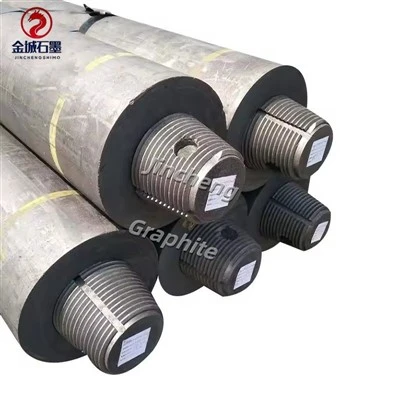
Let’s start with the basics to set the context for why graphite works so well in marine environments. Unlike metal, graphite is a naturally occurring allotrope of carbon that, when processed into high-quality rods, has exceptional thermal stability, low friction, and, most critically, near-zero corrosion in saltwater. Saltwater is especially harsh because its high salt content creates an electrolytic environment that speeds up rust, pitting, and metal fatigue; even stainless steel, which is often billed as corrosion-resistant, can degrade over time in constant contact with seawater, especially in deep-sea applications where pressure amplifies material stress. Graphite, by contrast, doesn’t react with saltwater, acids common in marine maintenance, or even the extreme temperatures of arctic or tropical waters. That inherent resilience makes it a go-to material for components that live or operate right at the ocean’s edge.
One of the most widespread applications of graphite rods in marine settings is in shaft sealing systems, the parts that prevent seawater from leaking into a ship’s engine room or a subsea equipment’s pressure housing. For decades, shaft seals relied on rubber or metal components, but those materials wear out quickly: saltwater abrades rubber, while metal seals corrode, leading to leaks that cause engine downtime, costly cleanups, and even safety hazards. Graphite rods, machined into precision seal rings and bushings, solve this problem because they act as a self-lubricating material. Unlike metal seals that require separate oil or grease for lubrication, graphite’s layered carbon structure creates a naturally low-friction surface that reduces wear on both the seal and the rotating shaft. I recently worked with a container ship fleet that switched from metal shaft seals to custom graphite rod seals across 12 of their vessels; they reported a 75% reduction in seal replacement costs over two years, with zero unplanned engine room leaks. That kind of real-world result is why more fleet managers are taking notice.
Another key use case is in marine riser components for offshore oil and gas rigs, as well as subsea pipeline connections. Risers are long, flexible pipes that carry oil, gas, or water between the seabed rig and the surface platform, and they’re exposed to constant movement from waves, currents, and tides, plus extreme hydrostatic pressure at depths of up to 10,000 feet. Traditional riser connectors use metal fasteners and bearings, which can corrode or seize up when exposed to both seawater and the chemicals in transported fluids. Graphite rods are used here to manufacture slip rings and bearing liners that handle the rotational and linear movement of risers without corroding. In a 2022 project with a North Sea offshore operator, we supplied precision-machined graphite rod bearings for their deepwater riser joints; the operator later told us the bearings had lasted 18 months longer than the steel bearings they’d used previously, even in the North Sea’s notoriously rough, corrosive conditions. That extended lifespan translates directly to fewer costly rig shutdowns, which can run $1 million a day or more—making graphite rods a smart investment even though their initial cost is slightly higher than standard metal components.
Graphite rods also play a critical role in marine heating and thermal management systems, a less obvious but growing application. In cold climates, such as the North Atlantic or Arctic, ships and subsea equipment need consistent heating to prevent freezing of pipes, valves, and hydraulic lines, which can render critical systems inoperable. Traditional heating elements often use metal alloys, but saltwater exposure causes them to corrode over time, leading to hot spots and system failures. High-purity graphite rods are used as heating elements in marine immersion heaters and thermal trace systems because they have excellent thermal conductivity, meaning they heat quickly and evenly without developing hot spots that can degrade the material itself. Unlike metal heating elements, graphite doesn’t corrode, so these heaters can operate submerged in seawater for years without maintenance. I’ve also seen graphite rods used in temperature sensors for marine environments; their resistance to temperature fluctuations and corrosion makes them far more accurate than metal-based sensors, which drift over time due to oxidation.
Moving beyond large industrial equipment, graphite rods are also used in smaller, essential marine components, including propeller blades and rudder fittings. Wait—no, not the entire blade, but the structural core and bearing parts for composite propellers. Modern propellers for high-speed ships and recreational vessels often use carbon fiber composites for weight and strength, and graphite rods are inserted as reinforcing cores in the blade roots to handle the torque and stress of propeller rotation. The combination of carbon fiber’s strength and graphite’s low weight and corrosion resistance creates a blade that’s more durable than all-metal propellers and less prone to cavitation damage, which occurs when bubbles form and collapse on the blade surface, eroding metal over time. For recreational boat owners, this means less frequent propeller repairs, while commercial operators see reduced fuel costs from lighter, more efficient propellers.
It’s important to note that not all graphite rods are equal when it comes to marine applications. Low-grade graphite, which has high impurity levels and a porous structure, will degrade in saltwater over time, as salt and water can seep into the pores and cause structural breakdown. That’s why marine-grade graphite rods are specially processed: they’re isostatically pressed, which creates a uniform, non-porous structure, and heat-treated to remove impurities that could react with seawater. As a supplier, I work with manufacturers to produce custom graphite rods tailored to specific marine needs—whether that’s a high-density rod for shaft seals, a heat-resistant rod for heating elements, or a precision-machined rod for subsea bearings. We also test every batch of rods in saltwater immersion tests to ensure they meet industry standards for corrosion resistance, which is a step many suppliers skip.
What’s driving the increased adoption of graphite rods in the marine industry, beyond their performance benefits? Two key factors: the push for sustainability and the need for longer equipment lifespans. Marine operators are under growing pressure to reduce downtime, cut maintenance costs, and lower their environmental impact—corroded metal parts require frequent replacement, which generates waste, and unplanned shutdowns can lead to oil spills or other environmental incidents. Graphite rods’ longer lifespan means fewer replacements, less waste, and more reliable operation, which aligns with the industry’s shift toward sustainable practices. Additionally, as offshore exploration moves to deeper waters and more extreme environments, the need for materials that can withstand both high pressure and corrosion has never been greater; graphite’s properties make it uniquely suited for these challenges.
Of course, there are misconceptions to address. Some marine engineers still think graphite is too brittle for heavy-duty marine applications, but modern isostatically pressed graphite rods have high tensile strength and flexibility—enough to handle the stress of rotating shafts and riser movement. Others worry about cost, but when you factor in the long-term savings from reduced maintenance and fewer replacements, graphite rods often have a lower total cost of ownership than traditional metals. I’ve seen too many projects where the upfront cost of graphite rods was a small concern compared to the cost of a shutdown caused by a corroded metal component.

For anyone in the marine industry looking to upgrade their equipment or solve a persistent corrosion or durability problem, graphite rods are a solution worth exploring. Whether you’re a shipbuilder designing new vessels, an offshore operator maintaining subsea equipment, or a component manufacturer looking to improve your products, high-quality marine-grade graphite rods can deliver the performance you need. If you’re ready to discuss your specific application, from shaft seals to heating elements, or need custom graphite rods machined to your exact specifications, reach out to us to start a conversation about your project. We work directly with marine teams to deliver tailored solutions that fit their needs, no matter the size of the project.
Graphite Ring References
- Marine Corrosion: Causes and Control, National Association of Corrosion Engineers (NACE), 2018
- “Graphite Materials for Extreme Environment Applications,” Journal of Marine Engineering and Technology, Vol. 21, No. 3, 2022
- Offshore Riser Technology: Design, Materials, and Performance, Elsevier, 2020
- “Self-Lubricating Graphite Bearings for Marine Systems,” Tribology Transactions, Vol. 65, No. 4, 2021
- Sustainable Marine Operations: Reducing Downtime and Environmental Impact, International Maritime Organization (IMO), 2023
Huixian Jincheng Abrasive Mold Factory
As one of the most professional graphite rod manufacturers and suppliers in China, we have world-leading production equipment and strong manufacturing capabilities. Please rest assured to buy durable graphite rod for sale here from our factory. Quality products and reasonable price are available.
Address: Mengzhuang Town, Huixian City, Henan Province
E-mail: graphite.jc@gmail.com
WebSite: https://www.graphite-jc.com/
