What are the environmental conditions suitable for industrial robots?
As a supplier of industrial robots, I’ve witnessed firsthand the transformative impact these machines have on various industries. From automotive manufacturing to electronics assembly, industrial robots are revolutionizing the way we produce goods, offering increased efficiency, precision, and productivity. However, to ensure optimal performance and longevity of these valuable assets, it’s crucial to understand the environmental conditions that are most suitable for their operation. In this blog post, I’ll delve into the key environmental factors that can affect the performance of industrial robots and provide insights on how to create an ideal environment for their use. Industrial Robots
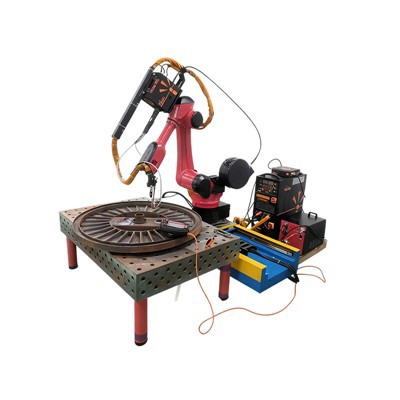
Temperature and Humidity
One of the most critical environmental factors that can impact the performance of industrial robots is temperature. Extreme temperatures, whether too hot or too cold, can cause components to expand or contract, leading to mechanical stress and potential malfunctions. Most industrial robots are designed to operate within a specific temperature range, typically between 0°C to 45°C (32°F to 113°F). It’s essential to monitor the temperature in the robot’s operating environment and take appropriate measures to maintain it within this range.
In addition to temperature, humidity can also affect the performance of industrial robots. High humidity levels can cause corrosion and rust on metal components, while low humidity levels can lead to static electricity buildup, which can damage sensitive electronic parts. The ideal humidity range for industrial robots is between 30% to 80%. To control humidity levels, you can use dehumidifiers or humidifiers, depending on the specific needs of your environment.
Dust and Debris
Another significant environmental factor that can impact the performance of industrial robots is dust and debris. Dust particles can accumulate on the robot’s sensors, motors, and other components, causing them to malfunction or wear out prematurely. To prevent dust and debris from entering the robot’s operating environment, it’s essential to keep the area clean and free of clutter. You can use air filters, vacuum cleaners, and other cleaning equipment to remove dust and debris from the air and surfaces.
In addition to dust, debris such as metal shavings, sawdust, and plastic chips can also pose a threat to the performance of industrial robots. These materials can get caught in the robot’s moving parts, causing them to jam or break. To prevent debris from entering the robot’s operating environment, it’s essential to use proper guarding and shielding around the robot. You can also use conveyor systems or other materials handling equipment to move parts and materials safely and efficiently.
Lighting
Lighting is another important environmental factor that can impact the performance of industrial robots. Adequate lighting is essential for the robot’s sensors to function correctly, as they rely on light to detect objects and navigate their environment. Insufficient lighting can cause the robot’s sensors to malfunction, leading to errors and safety hazards.
When designing the lighting system for an industrial robot, it’s important to consider the specific needs of the application. For example, applications that require high precision and accuracy may require brighter lighting than applications that are less critical. It’s also important to ensure that the lighting is evenly distributed throughout the robot’s operating environment, to avoid shadows and glare.
Noise and Vibration
Noise and vibration can also affect the performance of industrial robots. Excessive noise can interfere with the robot’s sensors and communication systems, while vibration can cause mechanical stress and damage to the robot’s components. To minimize the impact of noise and vibration on the robot’s performance, it’s essential to use proper isolation and damping techniques.
One way to reduce noise and vibration is to use vibration isolators and shock absorbers. These devices can help to absorb and dissipate the energy from vibrations, reducing the amount of stress on the robot’s components. Another way to reduce noise and vibration is to use soundproofing materials, such as acoustic panels or curtains, to absorb and block the sound waves.
Chemicals and Gases
Industrial robots are often used in environments where they are exposed to chemicals and gases. These substances can cause corrosion, damage, and other problems to the robot’s components. To prevent damage from chemicals and gases, it’s essential to use proper protective coatings and materials.
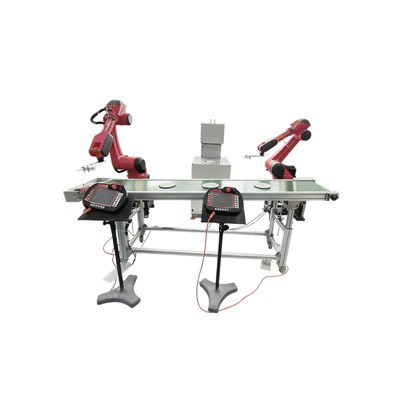
When selecting protective coatings and materials, it’s important to consider the specific chemicals and gases that the robot will be exposed to. For example, some chemicals may require a more resistant coating than others. It’s also important to ensure that the protective coatings and materials are compatible with the robot’s components and do not interfere with its operation.
Conclusion
Stamping Robot In conclusion, creating an ideal environment for industrial robots is essential to ensure their optimal performance and longevity. By considering the key environmental factors such as temperature, humidity, dust, debris, lighting, noise, vibration, chemicals, and gases, you can create a safe and efficient operating environment for your robots. As a supplier of industrial robots, I’m committed to helping my customers create the best possible environment for their robots. If you’re interested in learning more about our products and services, or if you have any questions about the environmental conditions suitable for industrial robots, please don’t hesitate to contact me. I’d be happy to discuss your specific needs and provide you with the information and support you need to make the right decisions for your business.
References
- "Industrial Robot Safety Standards and Guidelines," International Organization for Standardization (ISO).
- "Environmental Considerations for Industrial Robots," Robotics Industries Association (RIA).
- "Temperature and Humidity Control in Industrial Environments," American Society of Heating, Refrigerating and Air-Conditioning Engineers (ASHRAE).
- "Dust and Debris Management in Industrial Settings," Occupational Safety and Health Administration (OSHA).
- "Lighting Design for Industrial Applications," Illuminating Engineering Society (IES).
- "Noise and Vibration Control in Industrial Environments," National Institute for Occupational Safety and Health (NIOSH).
- "Chemical Resistance of Materials Used in Industrial Robots," Society of Plastics Engineers (SPE).
Dongguan Chuanglida Intelligent Equipments Co., Ltd.
As one of the most professional industrial robots manufacturers and suppliers in China, we also support customized service. Please feel free to buy discount industrial robots in stock here from our factory. For price consultation, contact us.
Address: Room 201, Building 2, No. 61, Shachang 1st Road, Dalang Town, Dongguan City, Guangdong Province
E-mail: haoguangli001@outlook.com
WebSite: https://www.boruntestech.com/
