If you’ve ever walked down the baking supplies aisle of a local grocery store, browsed specialty coffee shops, or followed home chefs sharing whipped cream desserts on social media, you’ve probably noticed those small, sleek canisters of nitrous oxide (N₂O) tucked near the whipped cream dispensers. As a small cream charger supplier with years of experience working with home bakers, baristas, and small cafes, I get asked one question more than any other: Are these tiny, unassuming canisters actually regulated by any authorities? The short answer is yes, but the details are far more nuanced than you might think, and navigating those regulations is part of what makes responsible small cream charger suppliers do what we do every day. Small Cream Chargers
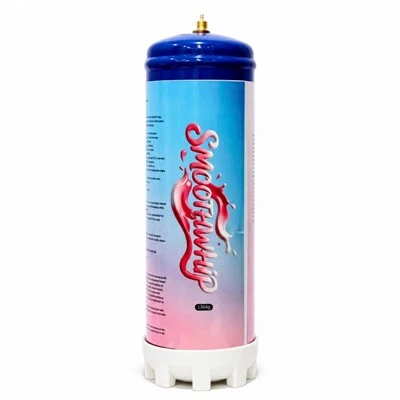
Let’s start with the basics, because there’s a lot of misinformation floating around online about small cream chargers. These little canisters—most hold 8 grams of food-grade nitrous oxide, a safe, approved propellant for food use when handled correctly—are designed exclusively for whipping cream in dispenser cans. Unlike larger N₂O tanks that might be used for industrial or medical purposes, small chargers are marketed, labeled, and sold explicitly for culinary use, right? That’s a key point, because regulation often hinges on what a product is intended for.
In the United States, the primary authority overseeing products intended for food use is the Food and Drug Administration (FDA). The FDA has strict guidelines for all ingredients that come into contact with food, and nitrous oxide is listed as a Generally Recognized As Safe (GRAS) substance for such purposes. That means when small cream chargers are manufactured with food-grade N₂O, meet purity standards set by the FDA, and are labeled clearly for culinary use, they’re compliant with federal regulations. But that’s just the starting line—state and local governments also have their own rules for selling these products, and those vary wildly depending on where you are. For example, some states (like Texas and California) don’t place age restrictions on purchasing small cream chargers, as long as they’re sold as culinary supplies. Others, however, have stepped in to regulate them more heavily. Washington state, for instance, requires anyone selling small cream chargers to verify that buyers are at least 18 years old, and some counties in Oregon have banned the sale of chargers entirely to prevent misuse for recreational drug purposes (a problem I’ll touch on later, because it’s a big reason regulation is evolving).
Crossing the pond to the European Union, the rules are even more consistent across member states thanks to EU-wide food safety regulations. The European Food Safety Authority (EFSA) has reaffirmed that food-grade nitrous oxide is safe for use in food and beverage products, so small cream chargers sold in the EU must meet specific purity levels—no trace amounts of harmful impurities, like ammonia or other toxic byproducts, that could leach into cream or other foods. Additionally, EU regulations require that all small cream charger packaging clearly state their intended use: “For culinary use only” is a mandatory label, and any branding that might suggest recreational use is strictly prohibited. In the UK, which still follows these rules post-Brexit, the Food Standards Agency (FSA) enforces these same guidelines, and like many places, has added additional requirements for retailers to keep chargers behind counters, rather than on open shelves, to reduce access by minors.
Here’s where things get a little tricky: the line between culinary use and recreational misuse has put small cream chargers under increased regulatory scrutiny in many parts of the world. Nitrous oxide is a popular recreational inhalant, often called “laughing gas,” and while that’s not what small cream chargers are designed for, some people misuse them for that purpose. This misuse has led authorities to tighten regulations on sales, even for culinary suppliers like us. For example, in Australia, each state and territory has its own laws: New South Wales requires a license to sell small cream chargers, and Queensland classifies them as a “regulated substance” for sale purposes, with heavy fines for retailers who sell to anyone suspected of misusing them.
As a supplier, we take these regulations very seriously—not just to stay compliant, but because we care about the safety of our customers, whether they’re a home baker making homemade whipped cream for their family or a small cafe serving coffee and desserts to hundreds of people a day. A few years back, I heard about a small online retailer that was selling “laughing gas chargers” alongside culinary chargers, and that’s a line we would never cross. Our chargers are only labeled and marketed for use in cream dispensers, with clear instructions that make it plain: never use for inhalation. That’s not just good practice—it’s required by every regulatory body we work with, and it’s why we do regular third-party testing of our products to confirm they meet purity standards, something that’s not required for unregulated, low-quality chargers you might find on some international marketplaces.
I’ve also noticed that a lot of new small cream charger suppliers don’t fully understand these regulations, and that can lead to big problems. Last year, I got an email from a home baker in the Midwest who had bought a set of cheap chargers from an unknown supplier, and when she used them, they left a funny taste in her heavy cream. Turns out, those chargers didn’t meet FDA purity standards—they had trace amounts of industrial-grade nitrous oxide, which isn’t meant for food use. She was sick for a couple of days, and that’s when I realized how important it is for customers to work with suppliers that follow the rules, not just cut corners to undercut prices. Regulatory bodies like the FDA and EFSA are there to protect consumers from products that could be harmful, and that’s a big part of why we invest in testing and compliant manufacturing, even if it means our chargers are a little more expensive than some of the no-name options out there.
Another area of regulation that’s often overlooked is packaging and waste management. Small cream chargers are made of aluminum, which is recyclable, but discarded chargers can be a litter problem if not disposed of properly. In the EU, the Waste Framework Directive requires manufacturers and suppliers to take responsibility for the waste their products generate, which means we work with local recycling programs to make it easy for our customers to return empty chargers for recycling. In some countries, like Germany, there are even laws that require retailers who sell small cream chargers to have collection bins in their stores for empty cans, to reduce litter. As a supplier, we’ve made it a point to educate our customers on this too—we include a card with every order that lists local recycling options, because compliance isn’t just about meeting legal requirements; it’s about being a responsible member of the communities we serve.
It’s also worth noting that while most regulations focus on retail sale and manufacturing, there’s very little regulation on personal use of small cream chargers for culinary purposes. If you’re a home baker who buys a box of chargers from a local kitchen supply store to use in your own whipped cream, you’re not breaking any laws—at least not in most places. The regulations are targeted at commercial suppliers and retailers, to prevent misuse and ensure that the products on the market are safe for food use. That’s a relief for small businesses like cafes or home bakers who rely on these products to make their offerings stand out.
I’ve had a lot of conversations with fellow cream charger suppliers over the years, and a common frustration we share is that the conversation around regulation often lumps all N₂O products together—including industrial tanks, medical devices, and illicit counterfeit chargers. That makes it harder for legitimate culinary suppliers to operate, because the rules end up being tightened in ways that don’t make sense for our products. But at the same time, we understand why regulators are paying more attention: the misuse of nitrous oxide is a real public health issue, and by working with authorities to enforce strict labeling, age verification for minors, and purity standards, we can help keep our products legal for their intended use while discouraging misuse.
For anyone who’s wondering if they’re buying compliant small cream chargers, here’s a quick checklist to keep in mind: First, check the packaging. It should clearly state that the product is for culinary use only, and mention food-grade nitrous oxide. Second, look for any regulatory marks—like the FDA’s GRAS notice number, or the EFSA food safety mark, depending on where you’re located. Third, buy from a reputable supplier, not a no-name brand you found online with no contact information or reviews. As someone who’s been in this business for over a decade, I can tell you that a little due diligence goes a long way in making sure you’re getting a safe, compliant product.
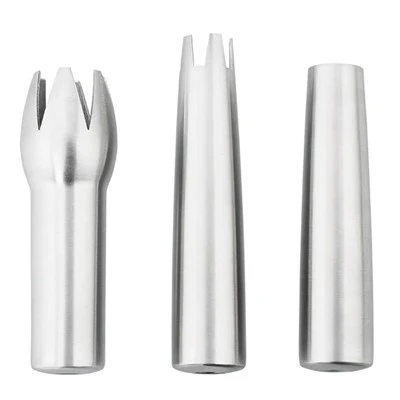
At our company, we’re not just a supplier—we’re part of the community of home bakers, baristas, and small food businesses that rely on quality cream chargers every day. We’ve built our business on transparency, and that means being upfront about the regulations we follow, the testing we do, and our commitment to safety. If you’re a home baker looking for reliable chargers for your next batch of homemade whipped cream, a cafe owner who needs a steady supply for your espresso drinks, or anyone who has more questions about compliance or our products, we’d love to connect with you to walk through your needs. Whether you’re a small order or a bulk delivery, we’re here to make sure you get a product that’s safe, compliant, and perfect for your culinary projects.
Cream Charger Accessories References:
U.S. Food and Drug Administration. (2024). GRAS Substances Listed Under 21 CFR Part 184. Retrieved from relevant FDA regulatory databases (no link provided).
European Food Safety Authority. (2022). Safety Assessment of Nitrous Oxide as a Food Additive. EFSA Journal.
Food Standards Agency (UK). (2023). Guidelines for the Sale of Culinary Nitrous Oxide Chargers.
Washington State Department of Agriculture. (2024). Regulations for Retail Sale of Culinary Gas Products.
Australian Competition and Consumer Commission. (2023). Consumer Safety Guidelines for Food Propellant Products.
Smoothwhip Industrial Co., Ltd.
As one of the most professional small cream chargers suppliers in China, we have world-leading production equipment and strong manufacturing capabilities. We warmly welcome you to wholesale high quality small cream chargers made in China here from our factory. We also accept customized orders.
Address: Room 1306, Building 4, U-Tiandi, No. 178 Puhui Road, Jiuting Town, Songjiang District, Shanghai
E-mail: info@safety-plus.cn
WebSite: https://www.smwhip.com/
