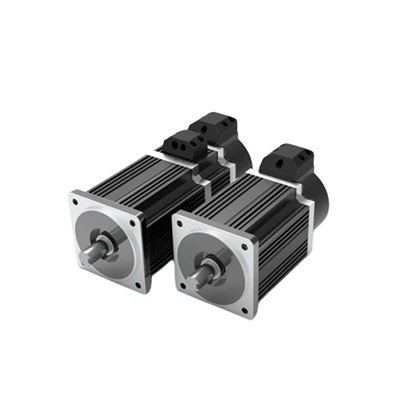
Installing an AC servo motor is a task that requires careful planning, technical knowledge, and adherence to safety protocols. As a supplier of AC servo motors, I’ve seen firsthand the importance of a proper installation process. In this blog, I’ll guide you through the steps of installing an AC servo motor, sharing insights and tips based on my experience in the industry. AC Servo Motor
Pre – installation Preparations
Before you start the installation, it’s crucial to conduct a thorough assessment and gather all the necessary tools and materials.
1. Site Assessment
- Space Requirements: Measure the available space where the AC servo motor will be installed. Ensure that there is enough room for the motor, its associated control equipment, and for future maintenance. The motor should have proper ventilation to prevent overheating. For example, if the motor is going to be installed in a cabinet, make sure there are adequate ventilation holes or fans to dissipate heat.
- Electrical Supply: Check the electrical supply at the installation site. The voltage and frequency of the power source must match the specifications of the AC servo motor. If the supply does not match, you may need to use a transformer or other power – conditioning equipment. For instance, a common AC servo motor might require a 220V, 50Hz power supply.
- Mechanical Mounting: Identify a suitable mounting surface. The surface should be flat, stable, and able to support the weight of the motor. If the motor is going to be mounted on a moving platform, additional considerations such as vibration isolation may be necessary.
2. Gather Tools and Materials
- Tools: You’ll need basic hand tools such as wrenches, screwdrivers, and pliers. Depending on the installation, you may also need specialized tools like torque wrenches to ensure proper tightening of bolts. For example, when mounting the motor to a base, you’ll use a torque wrench to tighten the mounting bolts to the specified torque value.
- Materials: Prepare mounting hardware such as bolts, nuts, and washers. You may also need cable ties, conduit, and electrical connectors for wiring.
Motor Installation
1. Mounting the Motor
- Positioning: Carefully place the AC servo motor on the pre – selected mounting surface. Align the motor’s mounting holes with the holes on the surface. Use a spirit level to ensure that the motor is level. This is important to prevent uneven stress on the motor and its components.
- Securing: Insert the bolts through the mounting holes and attach the motor to the surface. Tighten the bolts gradually and evenly using a torque wrench. Over – tightening can damage the motor or the mounting surface, while under – tightening can cause the motor to vibrate and become loose over time.
2. Connecting the Electrical Wires
- Power Connection: Connect the power cables to the motor according to the wiring diagram provided by the manufacturer. Usually, there are separate terminals for the main power supply and for the control signals. Make sure to use the correct gauge of wire to handle the electrical current. For example, if the motor has a high – power rating, a thicker wire may be required.
- Control Wiring: Connect the control wires to the servo drive. These wires are used to send signals for speed, position, and torque control. The control wiring should be properly shielded to prevent electromagnetic interference (EMI). Use cable ties to organize the wires and prevent them from getting tangled.
3. Grounding
- Importance: Grounding is a critical step in the installation process. It helps to protect the motor and the user from electrical shock and reduces the risk of electrical interference.
- Grounding Connection: Connect the grounding wire of the motor to a proper grounding point. The grounding point should be a reliable earth connection, such as a grounding rod.
Servo Drive Installation and Configuration
1. Mounting the Servo Drive
- Location: Mount the servo drive in a suitable location near the motor. The drive should be easily accessible for maintenance and programming. It should also be protected from dust, moisture, and excessive heat.
- Mounting: Use the appropriate mounting hardware to secure the servo drive to a wall or a cabinet. Make sure the drive is level and firmly attached.
2. Wiring the Servo Drive
- Power and Control Connections: Connect the power cables to the servo drive. The drive may require a separate power supply from the motor. Connect the control wires between the drive and the motor. These wires carry the signals for controlling the motor’s operation.
- Communication Interface: If the servo drive has a communication interface, such as Ethernet or CANopen, connect the communication cables according to the manufacturer’s instructions.
3. Configuration
- Initial Setup: Power on the servo drive and use the provided software or control panel to perform the initial setup. This may include setting the motor type, rated voltage, current, and other parameters.
- Tuning: After the initial setup, you’ll need to tune the servo drive to optimize the motor’s performance. This involves adjusting parameters such as gain, acceleration, and deceleration to achieve the desired response.
Testing and Commissioning
1. Initial Checks
- Visual Inspection: Before powering on the motor, perform a visual inspection of all the connections. Make sure there are no loose wires, short circuits, or damaged components.
- Electrical Checks: Use a multimeter to check the electrical connections and ensure that there is no voltage leakage.
2. Power – on Test
- Slow Start: Power on the servo drive and the motor at a low speed. Observe the motor’s operation and check for any abnormal noises or vibrations.
- Function Testing: Test the motor’s functions, such as speed control, position control, and torque control. Use the control panel or software to send commands to the motor and verify its response.
3. Full – load Testing
- Load Application: Apply a load to the motor and test its performance under full – load conditions. Monitor the motor’s temperature, current, and speed to ensure that it operates within the specified limits.
Troubleshooting
Even with careful installation, issues may arise during the operation of the AC servo motor. Here are some common problems and their solutions:
1. Motor Overheating
- Cause: Overloading, poor ventilation, or incorrect motor sizing can cause the motor to overheat.
- Solution: Check the load on the motor and ensure that it is within the rated capacity. Improve the ventilation around the motor by adding fans or increasing the ventilation holes.
2. Erratic Motor Operation
- Cause: Loose connections, electrical interference, or incorrect parameter settings can lead to erratic motor operation.
- Solution: Check all the electrical connections and tighten any loose wires. Use shielded cables to reduce electromagnetic interference. Review the parameter settings in the servo drive and adjust them as necessary.
3. No Motor Movement
- Cause: Power supply issues, damaged motor windings, or faulty control signals can prevent the motor from moving.
- Solution: Check the power supply and ensure that it is providing the correct voltage and frequency. Inspect the motor windings for any signs of damage. Check the control signals and verify that they are being sent correctly.
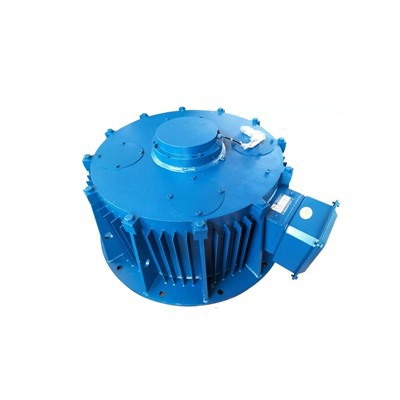
Permanent Magnet DC Moto As an AC servo motor supplier, I understand that a successful installation is crucial for the optimal performance of the motor. If you are planning to install an AC servo motor and need more detailed guidance or have any questions, feel free to reach out to us. Our team of experts is ready to assist you with the installation process, provide technical support, and offer high – quality AC servo motors that meet your specific requirements. We look forward to working with you to ensure a smooth and efficient installation.
References
- Manufacturer’s Installation Manuals for AC Servo Motors
- Electrical Installation Standards and Guidelines
- Servo Drive Technical Documentation
Zibo Auric Mechanical and Electrical Technology Co., Ltd.
As one of the leading ac servo motor manufacturers and suppliers in China, we warmly welcome you to buy advanced ac servo motor for sale here from our factory. All customized motors are with high quality and competitive price.
Address: B419, High-tech Entrepreneurship Park, High-tech Zone, Zibo City
E-mail: cui@auricmotor.com
WebSite: https://www.auricmotor.com/
