Hey there, fellow farmers! I’m a guy who’s been in the tractor supply game for a fair while, and I know just how crucial it is to pick the right tractor for your farm. It’s not just about showing off a shiny new machine; it’s about finding a workhorse that’ll make your life easier and keep your farm running smoothly. So, let’s dive into some key factors to consider when you’re on the hunt for the perfect tractor. Tractor

1. Assess Your Farm Size and Terrain
First things first, take a good look at your farm. How big is it? Is it mostly flat, hilly, or a mix of both? The size and terrain of your farm are going to play a huge role in determining the type of tractor you need.
If you’ve got a small to medium – sized farm, say up to 100 acres, a compact tractor might be your best bet. These tractors are nimble, easy to maneuver, and can handle a variety of tasks like mowing, tilling, and moving light loads. They usually have horsepower ranging from 20 to 50, which is more than enough for smaller operations.
On the other hand, if you’re managing a large – scale farm, over 100 acres, you’ll probably want a full – sized tractor. These beasts come with higher horsepower, often 50 or more, and are built to handle heavy – duty tasks like plowing large fields, pulling big implements, and hauling heavy loads.
As for the terrain, if your farm has a lot of hills, you’ll need a tractor with good traction and a stable chassis. Look for models with four – wheel drive, which can provide better control and power on uneven ground. If it’s mostly flat, you might be able to get away with a two – wheel drive tractor, which is usually more affordable.
2. Determine Your Tasks
What are you going to use the tractor for? Different tasks require different features and capabilities.
Mowing and Cutting: If mowing is one of your primary tasks, you’ll want a tractor with a good – sized mower deck. Make sure the tractor has enough power to drive the mower smoothly, even through thick grass. You might also want a tractor with a mid – PTO (Power Take – Off) for better mowing performance.
Tilling and Plowing: Tilling and plowing break up the soil, which needs a lot of power. A tractor with a high – torque engine and a rear PTO is essential. You’ll also need to consider the size and type of plow or tiller you’ll be using and make sure the tractor can handle it.
Hauling and Loading: For hauling trailers or using a loader to move stuff like hay bales or dirt, you’ll need a tractor with sufficient lifting capacity and a sturdy hitch system. The loader should be easy to attach and detach, and the tractor should have enough power to handle the weight of the load.
Implement Compatibility: Think about the other implements you’ll use, like seeders, sprayers, or spreaders. Make sure the tractor has the right hydraulic connections and PTO options to work with these implements.
3. Consider Your Budget
Let’s talk money. Tractors can range from a few thousand dollars to well over a hundred thousand, depending on the size, features, and brand. It’s important to set a budget before you start shopping.
Don’t just think about the upfront cost. Consider the long – term costs, too. This includes things like fuel, maintenance, and repairs. A more expensive tractor might have better fuel efficiency and lower maintenance costs in the long run, so it could actually save you money over time.
You might also want to look into used tractors. They can be a great option if you’re on a tight budget. Just make sure you have a mechanic check it out before you buy to avoid any hidden problems.
4. Evaluate Comfort and Ergonomics
You’re going to spend a lot of time in the tractor seat, so comfort is key. An uncomfortable tractor can lead to fatigue, which can affect your productivity and, more importantly, your safety.
Look for a tractor with a comfortable seat that’s adjustable. It should have good lumbar support to keep your back from aching after a long day. The controls should be easy to reach and operate, and the layout of the dashboard should be intuitive.
Visibility is also important. You need to be able to see clearly around the tractor, especially when you’re using implements or moving in tight spaces. Some tractors come with features like a rear – view camera or large windows to improve visibility.
5. Research Brands and Models
There are many tractor brands out there, each with its own reputation and range of models. Do some research to find out which brands are known for reliability, durability, and good customer service.
Read reviews from other farmers. They can give you real – world insights into how a particular tractor performs in different situations. You can also talk to farmers in your area who own tractors and ask them about their experiences.
Once you’ve narrowed down your list of brands, look at the specific models. Compare their features, prices, and warranties. Some models might have special features that are perfect for your needs, while others might be more basic but more affordable.
6. Test Drive the Tractor
Before you make a final decision, take the tractor for a test drive. This is your chance to see how it feels to operate the tractor in real – world conditions.
Pay attention to how the tractor handles. Does it steer easily? Does the transmission shift smoothly? How does it feel when you’re using the implements?
During the test drive, you can also check for any strange noises or vibrations. These could be signs of a problem with the tractor.
7. Check the Warranty and Support
A good warranty is like an insurance policy for your tractor. It gives you peace of mind knowing that if something goes wrong, you’re covered. Look for a tractor that comes with a comprehensive warranty that covers major components like the engine, transmission, and hydraulic system.
Also, consider the availability of parts and service. You want to make sure that if you need a replacement part or a repair, you can get it quickly and easily. Choose a brand that has a good network of dealers and service centers in your area.
8. Future Expansion and Flexibility
Think about the future of your farm. Do you plan to expand your operations? If so, you might want to choose a tractor that has some room for growth. A tractor with a higher horsepower and more features might cost more upfront, but it could save you from having to buy a new tractor in a few years.
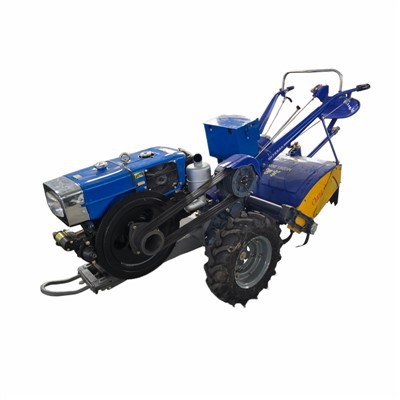
Also, look for a tractor that is flexible and can be easily adapted to different tasks. Some tractors come with a variety of attachment options, which can make them more versatile.
Walking Tractor So, there you have it, folks! These are the main factors to consider when choosing the right tractor for your farm. Remember, every farm is different, so take your time to evaluate your needs and do your research. If you have any questions or need more advice, don’t hesitate to get in touch. I’m here to help you find the best tractor for your operation. Reach out to me to start a discussion about your tractor needs and how we can find the perfect solution for your farm.
References
- Agricultural Machinery Handbook
- Farmer’s Almanac: Tractor Buying Guide
- Interviews with experienced farmers in the community
Shandong Ling Ke Industry Group Co., Ltd.
As one of the most professional tractor manufacturers and suppliers in China, we’re featured by quality products and good price. Please rest assured to buy cheap tractor for sale here from our factory. We also accept customized orders.
Address: 50 Meters West of the Connecting Road Between Jiuma Road and Shima Road, Fangzi District, Weifang City, Shandong Province, P.R.China
E-mail: aileenlin@sdlingkegroup.com
WebSite: https://www.lingketractor.com/
