As a supplier of olefin raw materials deeply entrenched in the industry, I’ve witnessed firsthand the dynamic nature of the market. In recent years, there has been a burgeoning interest in alternative raw materials to olefins. This exploration has been fueled by various factors, including price volatility, supply chain disruptions, and a growing emphasis on sustainability. In this blog, I’ll delve into some of the prominent alternative raw materials and their potential in replacing or complementing olefins. Olefin Raw Materials

Bio – based Feedstocks
One of the most promising alternatives to traditional olefin raw materials is bio – based feedstocks. These are derived from renewable biological resources such as plants, algae, and waste biomass. The appeal of bio – based feedstocks lies in their potential to reduce the carbon footprint associated with the production of chemicals and plastics.
1. Bio – ethanol
Bio – ethanol is produced through the fermentation of sugars derived from crops like corn, sugarcane, and wheat. It can be dehydrated to produce bio – ethylene, which is chemically identical to ethylene derived from petroleum. Bio – ethylene can then be used in a wide range of applications, including the production of polyethylene, a ubiquitous plastic in the global market.
The advantage of using bio – ethanol is its relatively low production cost in regions with abundant biomass resources. Additionally, bio – based polyethylene has a lower carbon intensity compared to its fossil – based counterpart, making it an attractive option for environmentally conscious consumers and regulations that aim to reduce greenhouse gas emissions.
2. Biomass – derived Synthesis Gas
Synthesis gas (syngas), a mixture of carbon monoxide and hydrogen, can be produced from biomass through gasification. Biomass – derived syngas can serve as a versatile feedstock for the production of various chemicals, including olefins. Through a process called Fischer – Tropsch synthesis, syngas can be converted into hydrocarbons, some of which can be further processed to olefins.
The use of biomass – derived syngas not only provides an alternative to fossil – based olefin production but also helps in the valorization of waste biomass, thereby reducing landfills and promoting a circular economy.
Waste Plastics Recycling
Another avenue for finding alternatives to olefin raw materials is through the recycling of waste plastics. With the global plastic waste crisis reaching alarming levels, there is a growing push to develop technologies that can convert waste plastics back into valuable raw materials.
1. Chemical Recycling
Chemical recycling, also known as advanced recycling, involves breaking down waste plastics into their molecular components. This can be achieved through processes such as pyrolysis, which heats the plastics in the absence of oxygen, and depolymerization, which breaks the polymer chains back into monomers.
The resulting monomers or oligomers can then be used as raw materials to produce new plastics, effectively closing the loop on plastic production and consumption. Chemical recycling has the potential to significantly reduce the demand for virgin olefin raw materials and mitigate the environmental impact of plastic waste.
2. Mechanical Recycling
Mechanical recycling is a more traditional method of recycling plastics. It involves collecting, sorting, cleaning, and melting waste plastics to produce new plastic products. While mechanical recycling is limited in terms of the types of plastics it can handle and the quality of the recycled products, it still plays a vital role in the overall plastic waste management strategy.
By incorporating mechanically recycled plastics into new products, manufacturers can reduce their reliance on virgin olefins. However, to make mechanical recycling more effective, improvements in sorting technologies and the development of more compatible plastic formulations are needed.
Carbon Capture and Utilization (CCU)
Carbon capture and utilization (CCU) is an emerging approach that aims to capture carbon dioxide emissions and convert them into valuable chemicals and materials. This technology has the potential to provide an alternative source of carbon for olefin production.
1. Electrochemical Conversion of CO₂
One of the most promising CCU technologies is the electrochemical conversion of carbon dioxide. In this process, carbon dioxide is reduced to carbon – based chemicals such as formic acid, carbon monoxide, or ethylene using electricity. The advantage of electrochemical conversion is that it can be powered by renewable energy sources, making it a truly sustainable alternative to fossil – based olefin production.
However, the electrochemical conversion of CO₂ is still in the early stages of development, and challenges such as low conversion efficiency and high capital costs need to be addressed before it can be scaled up for commercial production.
2. Biological Conversion of CO₂
Microorganisms can also be used to convert carbon dioxide into organic compounds. For example, some bacteria can convert CO₂ into ethanol or other bio – fuels through photosynthesis or fermentation. These bio – based products can then be used as feedstocks for the production of olefins or other chemicals.
Biological conversion of CO₂ offers the potential for a more environmentally friendly and sustainable approach to olefin production. However, like electrochemical conversion, it also faces challenges such as low productivity and the need for optimized growth conditions for the microorganisms.
Assessing the Feasibility of Alternative Raw Materials
While the alternative raw materials discussed above hold great promise, their widespread adoption in the industry is not without challenges. One of the major considerations is the cost competitiveness of these alternatives compared to traditional olefin raw materials. Currently, in many cases, the production of alternative raw materials is more expensive, which can limit their market penetration.
Another challenge is the technical and infrastructure requirements for the production and processing of alternative raw materials. For example, the development of new catalysts and reaction conditions may be needed for the efficient conversion of biomass or waste plastics into olefins. Additionally, the existing supply chain and infrastructure are largely built around fossil – based olefins, and adapting them to accommodate alternative raw materials may require significant investments.
Regulatory and policy frameworks also play a crucial role in the adoption of alternative raw materials. Governments around the world are increasingly implementing policies to promote sustainable development and reduce greenhouse gas emissions. These policies can include incentives for the use of bio – based feedstocks, mandates for plastic recycling, and carbon pricing mechanisms. By creating a favorable regulatory environment, the industry will be more likely to invest in the development and deployment of alternative raw materials.
Conclusion and Call to Action
As an olefin raw materials supplier, I recognize the importance of exploring alternative raw materials to meet the evolving needs of the market and address environmental concerns. The alternative raw materials discussed in this blog, such as bio – based feedstocks, waste plastics recycling, and carbon capture and utilization, offer exciting opportunities for a more sustainable future.
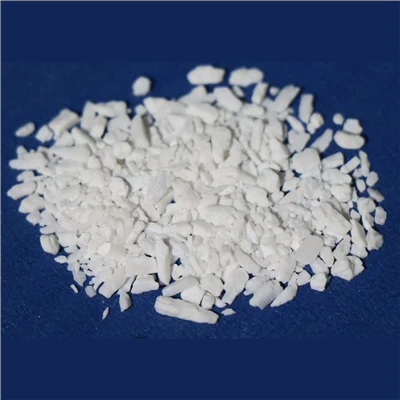
While there are still challenges to overcome, the potential benefits of these alternatives in terms of environmental protection, resource conservation, and long – term cost savings are significant. I encourage industry players, researchers, and policymakers to collaborate in the development and implementation of these alternative solutions.
Olefin Raw Materials If you are interested in discussing how we can incorporate alternative raw materials into your supply chain or explore new opportunities for cooperation, I would be delighted to have a conversation with you. Let’s work together to make the industry more sustainable and resilient.
References
- Speight, James G. Handbook of Petroleum – Product Analysis. John Wiley & Sons, 2017.
- Corma, Avelino, and Dimitar E. Ivanov. "Renewable fuels and chemicals by thermal conversion of biomass." Chemical Reviews 108.8 (2008): 2419 – 2448.
- Yoshida, Kensuke, et al. "Advances in chemical recycling of waste plastics for environmental sustainability." Chemical Society Reviews 45.11 (2016): 3003 – 3022.
- Aresta, Michele, ed. Carbon Dioxide as Chemical Feedstock. John Wiley & Sons, 2010.
Hebei Xinxinyuan Energy Co., Ltd.
Hebei Xinxinyuan Energy Co., Ltd. is one of the most professional olefin raw materials manufacturers and suppliers in China, featured by quality products and good price. Please rest assured to wholesale customized olefin raw materials made in China here from our factory.
Address: Zhongjie Industrial Park, Huanghua City, Cangzhou City, Hebei Province, China
E-mail: atl2066@qq.com
WebSite: https://www.xinxinyuanfr.com/
