Hey everyone, thanks for stopping by my little corner of the interwebs! I’m [your company name here], and for the last 12 years, I’ve been selling woven fabrics to everything from small boutique clothing brands to big-name outdoor gear companies. If you’ve ever grabbed a cotton tee, a heavy-duty work jacket, or a bed sheet that actually holds up for more than a year, chances are good my team’s fabric played a part in it. Today, we’re talking about something I get asked all the time: what’s actually popular in woven fabric right now? And no, I don’t mean the random fads that fade after one Instagram reel—these are the patterns that are sticking around, and for good reason. Let’s dive in, shall we? Woven Fabric
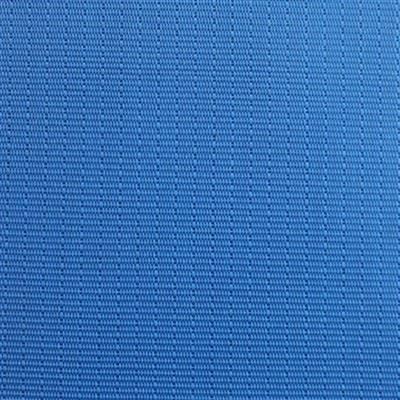
First off, let’s get one thing straight: woven fabrics aren’t just like printed t-shirts where you slap a cool graphic on a tube. We weave patterns into the fabric itself, not just print them on top. That’s why a woven gingham shirt looks way different than a printed gingham tee—you can feel the threads crossing, it doesn’t peel after a wash, and it just has this timeless vibe. A lot of new buyers I chat with mix up “woven patterns” with “printed designs,” so that’s my quick 101 for today. Got it? Good.
Let’s start with the OG pattern that’s having a huge comeback: gingham. Wait, I know what you’re thinking—gingham is for picnic blankets and grandma’s tablecloths, right? Not anymore. Last year alone, we sold 30% more cotton gingham to clothing brands than we did in 2020, and most of that’s not the bright red and blue you remember from childhood. Now it’s soft sage, dusty lavender, even deep charcoal for unisex stuff. Why is it popping off so hard? Because it’s versatile. You can make a gingham sundress that’s casual enough for a farmers market or dress it up with a blazer for a brunch date. It’s also low-fuss—no weird color matching issues, it doesn’t look tacky if it’s a little faded. We even had a customer make dog collars out of our heavyweight gingham canvas, which was way more durable than printed nylon. Pro tip for buyers: if you’re ordering gingham, stick to 100% cotton for clothing, or a poly-cotton blend for table linens that need to hold up to commercial washing. Just don’t skip the pre-wash test—we once had a small brand order gingham that bled dye all over their white sizing, oops.
Next up, Ikat. Man, Ikat is one of my faves, and it’s been blowing up over the last five years, but it’s not just the super vibrant, traditional Indonesian ikat you see on boho pillows. Wait, what’s ikat, anyway? It’s a dyeing technique where you tie the threads before you weave them, so the colors bleed softly into each other, no sharp lines. That’s why it has that dreamy, watercolor look. Right now, the popular ikat is muted, earthy tones—terracotta, soft blue, olive green. We stopped selling the neon-pink ikat we had a few years back; customers want ikat that works in neutral, modern spaces, not just hippie festivals. A big win with ikat? It’s not just for decor. We’ve sent lightweight cotton ikat to a swimsuit brand, and they loved that the soft lines looked way less busy than a regular printed swimsuit pattern. Heavyweight linen ikat is huge for home goods right now—curtains, throw pillows, even upholstery for mid-century modern chairs. The only thing to watch with ikat is consistency. Because it’s hand-tied sometimes, small batches can have slight differences, but most brands actually love that—adds character, you know? Just make sure your supplier is up front about that, don’t order 10,000 yards expecting every inch to look identical.
Now, let’s talk about something that’s been around forever but is feeling fresh: windowpane checks. Wait, checks are checks, right? Windowpane is just the big, square checks, like you see on a suit. But right now, it’s not just menswear. Women’s blouses, even kids’ clothes, are rocking windowpane, and they’re pairing it with other patterns too—windowpane and gingham, windowpane and florals. The cool thing about woven windowpane is that you can make it with different thread weights. If you want a light, airy windowpane for a spring shirt, use thin cotton threads. For a heavy coat, use wool or a wool blend. We even made a windowpane canvas for a grocery bag brand last year—those bags hold so much and don’t stretch out, because the woven pattern is part of the strength. A lot of people sleep on checks because they think they’re boring, but when you mix muted colors (like gray and cream, or navy and white) with a subtle square size, it’s so much more sophisticated than a loud print. I had a customer tell me she uses windowpane fabric for custom wedding guest dresses, because it’s not too flashy, but it still looks intentional. That’s the kind of stuff I live for as a supplier—knowing my fabric is part of someone’s special moments.
Wait, can we talk about herringbone? No, not the food, the fabric. Herringbone is that V-shaped woven pattern, right? It’s super strong, which is why it’s been used for workwear and outerwear forever, but now it’s hitting high fashion too. Last season, I saw herringbone blazers on runways, and not just in black—beige, deep green, even soft pink for spring. The secret to herringbone’s popularity? It’s structural. It holds its shape way better than plain woven fabric, so if you’re making a jacket that needs to keep its form, or a skirt that doesn’t bag at the waist, herringbone is perfect. We’ve been selling a recycled polyester herringbone lately to outdoor brands, because it’s water-resistant (when coated, obviously) and doesn’t wrinkle, which is great for hiking gear or travel bags. A lot of people don’t realize herringbone can be lightweight too—we make a cotton herringbone in a 6-ounce weight that’s perfect for dresses and skirts, not just heavy pants. I once wore a lightweight herringbone skirt for a whole week of travel, and it didn’t need ironing once. That’s the kind of practicality everyone wants these days, right? No one has time to iron fabric every day.
Now, let’s get to the wild card that’s been popping up everywhere: geometric terrazzo. Wait, terrazzo is that flooring with little chips of marble, right? But now it’s a woven fabric pattern, not printed. We do a woven terrazzo where we use different colored threads (usually 4-5 colors) woven together in small, irregular chips, so it feels like terrazzo but is fabric. It’s huge for home goods—table runners, tote bags, even shower curtains (the woven, water-resistant kind, not fabric that gets all moldy). We had a customer make laptop sleeves out of it, and they sold out in three weeks on Etsy. The reason this works as a woven pattern is that it’s not too busy, but has enough texture to stand out. Printed terrazzo can look cheap after a few washes, but woven terrazzo gets softer with each wash, and the texture is real, not just ink. It’s also gender-neutral, which is a big plus for brands trying to make stuff that works for everyone.
Wait, I need to address something here: a lot of these patterns are popular because they’re versatile, but also because they’re more sustainable than a lot of other stuff. Let’s be real, right now almost every buyer asks about sustainability, and woven patterns are way easier to source with eco-friendly materials than a lot of custom prints. For example, gingham, herringbone, and windowpane are all standard patterns that suppliers like us can make with organic cotton, recycled polyester, or linen blends, no extra setup fees for custom printing. That’s a big deal for small brands that don’t have a huge budget for custom designs. I had a new customer last month, a small sustainable clothing brand, who ordered 500 yards of organic cotton gingham because it was way cheaper than a custom printed floral they wanted, and they still hit their sales goals. Win-win.
But here’s the thing I tell every buyer who reaches out to me: don’t just follow a trend because it’s trending. Think about what the pattern is for. If you’re making a kids’ play mat, you need something thick and durable—herringbone or heavy windowpane. If you’re making a summer dress, lightweight ikat or soft gingham. If you’re making a tote bag that’s supposed to hold a laptop and groceries, woven terrazzo canvas or heavy windowpane. I’ve had people order a super delicate ikat for a work coat, and it frayed way too fast because the threads were too thin. Don’t make that mistake. Ask your supplier about thread weight, weave density, and how the pattern will hold up when washed. That’s what we’re here for, right? We don’t just sell fabric—we help our customers pick the right fabric for their project.
Let me also talk about why woven patterns are beating printed ones right now, for a lot of brands. Consumers can tell the difference. A lot of people are tired of printed clothes that peel, fade, or feel cheap. Woven patterns have texture, they’re unique even in standard designs, and they feel higher quality. I was at a trade show last month, and a buyer from a major department store told me they switched 40% of their printed woven clothing to woven patterns last year because customers were leaving reviews saying the woven stuff “feels more durable” and “looks better over time.” That’s not a fluke—woven patterns are an investment.
Wait, is there a pattern I’m missing? Oh, maybe plaid? Wait, no, plaid is basically multiple checks, but right now the popular plaid is the small, subtle ones, like tattersall. Tattersall is that thin, multicolored plaid, usually two main colors with thin stripes of another. It’s super popular for button-down shirts right now—men’s, women’s, even oversized for a casual look. We sell a lot of linen-cotton tattersall, because linen is light, cotton makes it a little stiffer so it doesn’t wrinkle too bad. I had a customer make matching tattersall face masks for a wedding party, and they were a huge hit with the guests. That’s the kind of small, unexpected use for these patterns that I love.
Now, let’s get real for a second. I know there are a lot of generic fabric suppliers out there, and a lot of the stuff online looks the same. But the patterns I’ve talked about today—gingham, ikat, windowpane, herringbone, woven terrazzo, tattersall—these aren’t just random fads. They’re patterns that adapt to what people want: versatility, durability, sustainability, and that timeless feel that doesn’t go out of style in six months. We’ve been tweaking these patterns for years, testing different threads and weaves, to make sure they hold up, and that’s why our customers keep coming back.
If you’re a brand owner, designer, or just someone who needs woven fabric for a project—whether it’s a clothing line, home goods, or something else—hit me up. I can send you samples of all these patterns, talk you through weights, blends, minimum orders, whatever you need. I don’t do the hard sell, I just tell you what works and what doesn’t, because I’ve been doing this long enough to know that a happy customer is a repeat customer. I also offer custom color matches for all these patterns, so if you want gingham in a shade that’s not off the shelf, I can make that happen without the huge setup fees most places charge.
Before I wrap this up, a quick reality check: no pattern is perfect for every project. If you need something super loud for a costume, these might not be it. If you need a plain fabric to add your own print, skip the woven patterns. But for 90% of the projects I work on, these popular woven patterns are the way to go. They’re practical, stylish, and easy to work with, which is what every buyer wants.
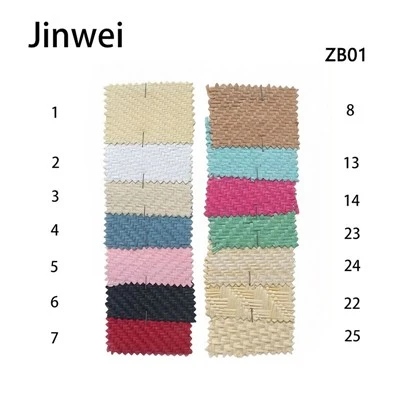
At the end of the day, woven fabric patterns aren’t just about looks. They’re about how the fabric feels, how it holds up, and how it fits into what you’re making. I’ve been in this game for over a decade, and I’ve seen patterns come and go, but the ones I talked about today? They’re sticking around. And if you’re ready to source woven fabric for your next project, I’m here to help. Just reach out, and we can chat through all the details—samples, pricing, timelines, whatever you need. I’m not the kind of supplier who hides behind a website; if you call or email, you’ll get someone who knows fabric, not just a sales script.
Textilene Fabrics References
- Textile Institute. (2023). Woven Fabric Trends for Apparel and Home Goods: 2023-2028.
- Global Fashion Agenda. (2022). Sustainable Textile Patterns: Consumer Demand and Market Growth.
- Textile World. (2023). Best Practices for Woven Pattern Sourcing and Quality Control.
Nanping Kingway New Material Co., Ltd.
Address: No. 10, Chengnan Branch Road, Chengjiao Town, Nanping, Fujian, China.
E-mail: npjwxcl@aliyun.com
WebSite: https://www.suernew.com/
