Hey guys, if you’ve ever spent a weekend setting up a new patio shade for your plants, or even hung a shade cloth over your outdoor event space to beat the summer heat, you might’ve noticed something annoying a few months in: that bright red or cool blue shade cloth you bought is now looking faded, like someone rubbed a crayon over it. As a shade cloth supplier, this is one of the first questions I get asked by new customers—“What’s the deal with colorfastness? Why does my cloth bleed or fade so fast?” So today, let’s break this down like we’re chatting over a coffee, no boring textbook jargon, just real stuff you need to know. Shade Cloth
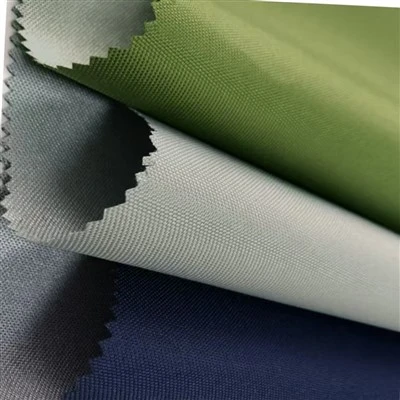
First off, let’s define colorfastness, because it’s not just a fancy term. Colorfastness is how well a shade cloth holds onto its color when it’s exposed to things that make colors run or fade: sunlight, rain, humidity, even washing it if you move it around. If a cloth has great colorfastness, that red stays red for years, no bleeding when it rains, no streaks on your patio furniture or plants. If it’s bad, you’ll see pink streaks running down your house siding after a heavy rain, or your once-vibrant green cloth turns a dull, murky brown in a single summer. I’ve had customers come back to me all frustrated saying their cloth “ruined their deck” because of bad colorfastness, so trust me, this isn’t just a looks thing—it’s a practical, money-saving thing too.
Now, why does colorfastness matter specifically for shade cloth? Because these things aren’t indoors—they’re outside, 24/7, year-round. Unlike a t-shirt you wash once a week, a shade cloth is sitting in direct sunlight, getting soaked with rain, maybe sitting in damp humidity all summer. A t-shirt’s color might fade after a dozen washes, but a shade cloth’s color has to hold up to UV rays, which are way harsher than laundry detergent. That’s the big one: UV resistance is the main driver of colorfastness for outdoor shade cloth. Sunlight has UV radiation that breaks down the molecular bonds in the dye molecules. If the dye isn’t bonded tight enough to the polyester or polyethylene (PE) fiber the cloth is made of, the UV rays will just zap the dye right off, and you get fading.
Wait, let’s talk about the two main types of fibers used in shade cloth, because that’s a huge part of colorfastness. Most mass-produced cheap shade cloth is made from low-density PE, right? It’s thin, it’s cheap, and the way they dye it is called “dope dyeing” or maybe even surface dyeing? No, wait, no—cheap PE often gets a surface dye, where they just spray or coat the dye onto the outside of the fiber. That stuff will wash off in rain in a few months, and fade in the sun even faster. The better stuff, which is what we supply, is high-density PE (HDPE) that gets dope dyed. Dope dyeing is when they mix the dye right into the raw plastic resin before they even spin it into fibers. So the dye is inside the fiber, not just stuck on the outside. That makes a massive difference. I’ve had a customer whose cloth we put up 7 years ago for his orchard, and the red shade is still bright—he sent me a pic last month, I couldn’t believe it compared to the cheap cloth he tried from a big box store 2 years before that, which was already pink and see-through.
Then there’s polyester shade cloth, which is used more for things like commercial awnings or custom patio setups. Polyester takes dye differently, and if it’s dye-sublimated or uses reactive dyes, it has really good colorfastness too, even better than dope-dyed HDPE sometimes, depending on the use case. But polyester is more expensive, so it’s not the go-to for big agricultural shade covers, where you need to cover acres of crops. That said, when someone needs a shade cloth that’s going to look sharp for a restaurant patio or a retail space, polyester is a solid pick for color retention.
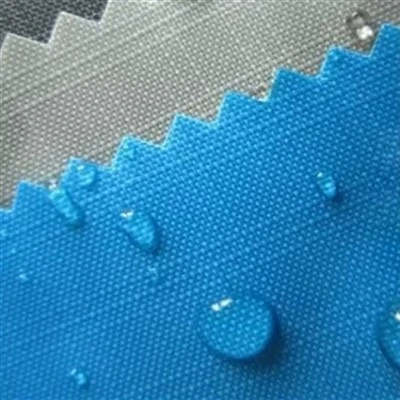
Another big factor in colorfastness is what we call “wash fastness,” which is basically how well the dye holds when it’s wet. If you’ve ever set up a new blue shade cloth and gotten blue streaks on your hands when you touch it in the rain, that’s poor wash fastness. That happens when the dye isn’t properly cured or bonded to the fiber, so when water hits it, the dye molecules break loose. Why does that matter? Besides looking messy, the streaks can stain plants—especially delicate ones like succulents or annuals, where even a little dye runoff can discolor the leaves or soil. We test all our shade cloths for wash fastness by running water over a swatch and checking for color bleeding, and anything that bleeds even a little gets sent back, no exceptions. I don’t want a customer calling me saying their tomato plants have blue stains on them because of our cloth.
Wait, let’s clear up a common myth here: white or black shade cloths don’t fade as much as colored ones, right? Not exactly. White cloth can get dirty, turn gray, which people mistake for fading, but the pigment in white is titanium dioxide, which is pretty UV-resistant. Black cloth, on the other hand, usually uses carbon black, which is super good at blocking UV rays, so it doesn’t fade much either. The real fade happens with bright, saturated colors—reds, blues, greens, yellows—because those use more concentrated, light-sensitive dyes. But that doesn’t mean all colored cloth fades; it just means you have to make sure it’s made with the right dye process, not just cheap surface dye.
Let’s talk about real-world examples, because numbers are nice but stories stick. Last year, a customer from Florida reached out to me. He’d bought 10 rolls of shade cloth from a big national hardware chain for his family’s vegetable farm, all bright green, to cover his lettuce and bell peppers. By mid-July, just 3 months later, the green was a dull khaki, and when it rained, the cloth would leave green streaks on his tomato stakes. He was convinced all shade cloth was garbage, so he was ready to switch to white cloth, which he thought would last longer. I sent him a sample of our dope-dyed HDPE green shade cloth, he put up a small section over his new crop, and now, a year later, that section is still bright green, no streaks. He ordered 50 more rolls last month. That’s the difference between good colorfastness and bad.
Another example: a local event planner who uses shade cloth for wedding tent canopies and festival setups. She used to go for the cheapest black cloth because it’s black, no fade to worry about, but it would get streaky when it rained and scratch her clients’ cars when she rolled it up. Now she uses our black carbon-dyed cloth—no streaks, holds its black color for 4+ years, and it’s softer on tent poles, so no scratches. She saved hundreds in replacement costs last year just by switching to a cloth with better colorfastness.
Now, how do you actually check the colorfastness of a shade cloth before you buy it, so you don’t end up like the first customer I mentioned? As a supplier, I want you to know how to spot a good one, not just buy whatever’s cheapest. First, ask the vendor if it’s dope dyed. If they say no, walk away. Surface-dyed cloth is a waste of money. Second, ask if they do colorfastness tests. Reputable suppliers (that’s us, obviously) will have test results for UV fade, wash fastness, even perspiration fastness if you’re using it for something like a sports shade setup. Third, check the thickness and feel. Cheap shade cloth feels flimsy, almost like plastic wrap, and the color is consistent on the outside but dull if you scratch it to see the inside fiber. Good shade cloth feels sturdy, like a thick tote bag, and the color is the same all the way through—if you pull a thread and look at the cross-section, it’s colored inside, not just on the edge.
Wait, also, what about other factors that affect how fast color fades, beyond the cloth itself? Like where you live. If you’re in Arizona, where there’s 300 days of sun a year and super high UV index, color fade will happen faster than in a place like Washington state, where it rains more and has more cloud cover. So if you’re in a super sunny climate, you need a cloth with extra good UV-resistant dyes, maybe even ones with added UV stabilizers in the resin. We add those stabilizers to all our HDPE cloth, actually, because that’s non-negotiable for customers in the Southwest, Florida, Texas—places where the sun is brutal.
Oh, and don’t forget about chlorine or other chemicals if you’re using shade cloth near a pool or a spa. If you’ve ever had a pool shade cloth that turned from a nice light gray to a weird purple or brown, that’s because chlorine reacts with the dye. So we make a special line of chlorine-resistant shade cloth for pool areas, using dyes that don’t break down when exposed to pool chemicals. That’s another aspect of colorfastness that’s super specific to certain use cases, and I’m glad we offer that because so many pool owners complain about their shade cloth discoloring way too fast.
Let’s wrap this up, because I know this got long, but it’s all stuff that matters when you’re buying shade cloth. Colorfastness isn’t just a buzzword—it’s how long your cloth looks good, how long it lasts, how much money you don’t waste on replacing it every year, and even how well it works for plants or events. Cheap cloth might save you a few bucks upfront, but if it fades in 6 months and stains your stuff, you’re actually spending more in the long run.
Reflective Fabric If you’re shopping for shade cloth, whether it’s for your backyard patio, your farm, a commercial space, or a pool area, and you want something that actually has solid colorfastness (no surprises, no streaks, no faded mess), hit me up to chat about your project. We can send you samples, talk about the best material and color for your needs, and make sure you get a cloth that’s going to hold up for years, not just a few months.
References
- Technical Manual for Shade Cloth Durability, International Shade Structure Association, 2021
- Colorfastness Testing Methods for Textiles, American Association of Textile Chemists and Colorists (AATCC), Standard Test Method 16-2018
- Polyethylene Fiber Dyeing and UV Resistance, Journal of Textile and Apparel, Technology and Management, Volume 12, Issue 3, 2022
Wujiang Jiashunxin Spray Weaving Co., Ltd.
As one of the most professional shade cloth manufacturers and suppliers in China, we’re featured by quality products and good service. We warmly welcome you to wholesale bulk customized shade cloth from our factory. If you have any enquiry about free sample, please feel free to email us.
Address: Xingli New Village, Lili Town, Wujiang District, Suzhou City, Jiangsu Province
E-mail: xuzhiqiang20260525@163.com
WebSite: https://www.shunbangfabric.com/
